UnderOcean Blog
Insights on AI orchestration, multi-agent systems, and production-grade AI infrastructure.
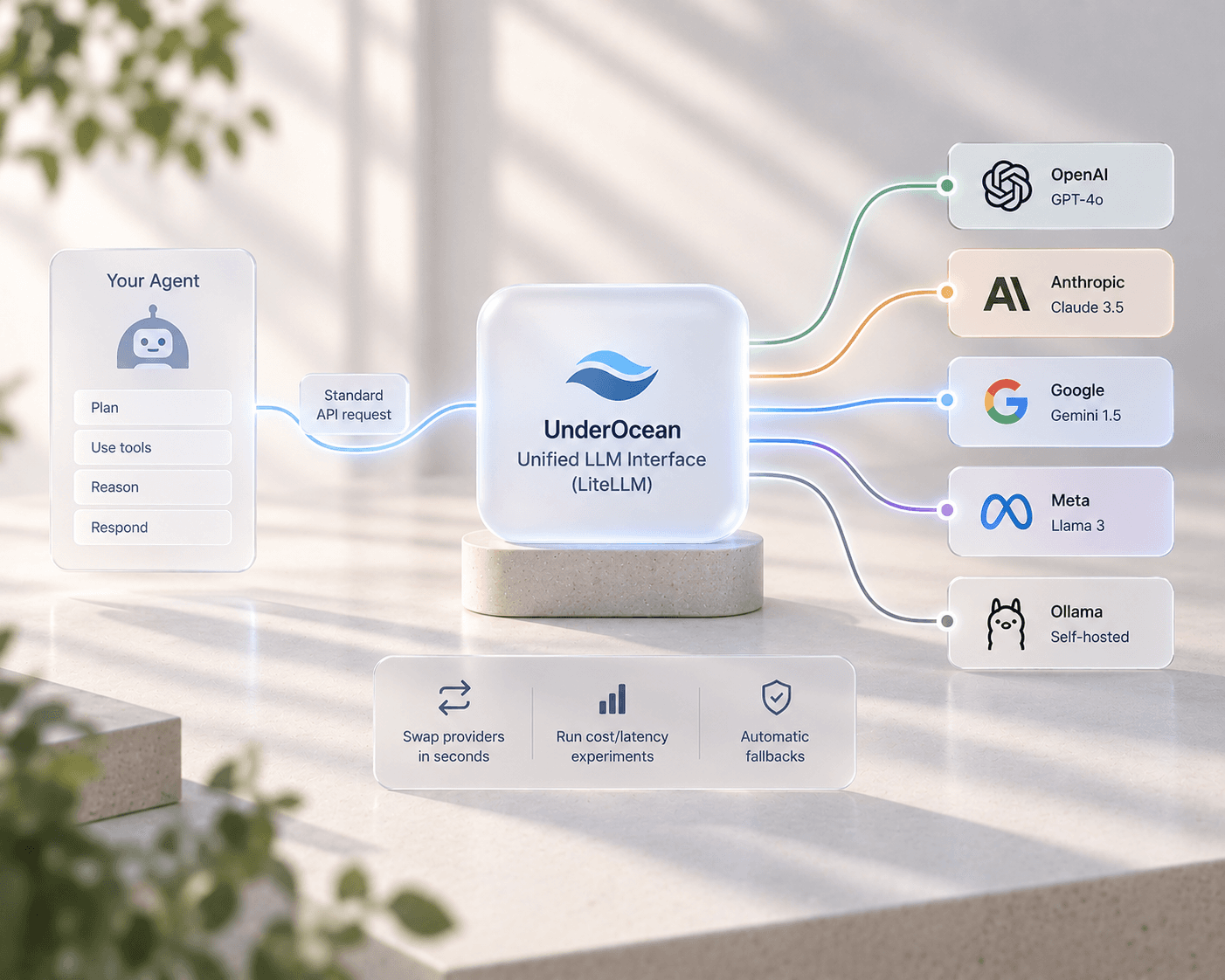
Escaping provider lock-in with a unified LLM interface
Switching from OpenAI to Anthropic shouldn't mean rewriting your agent logic. Here's how a unified LLM interface makes provider choice a config change, not a rewrite.

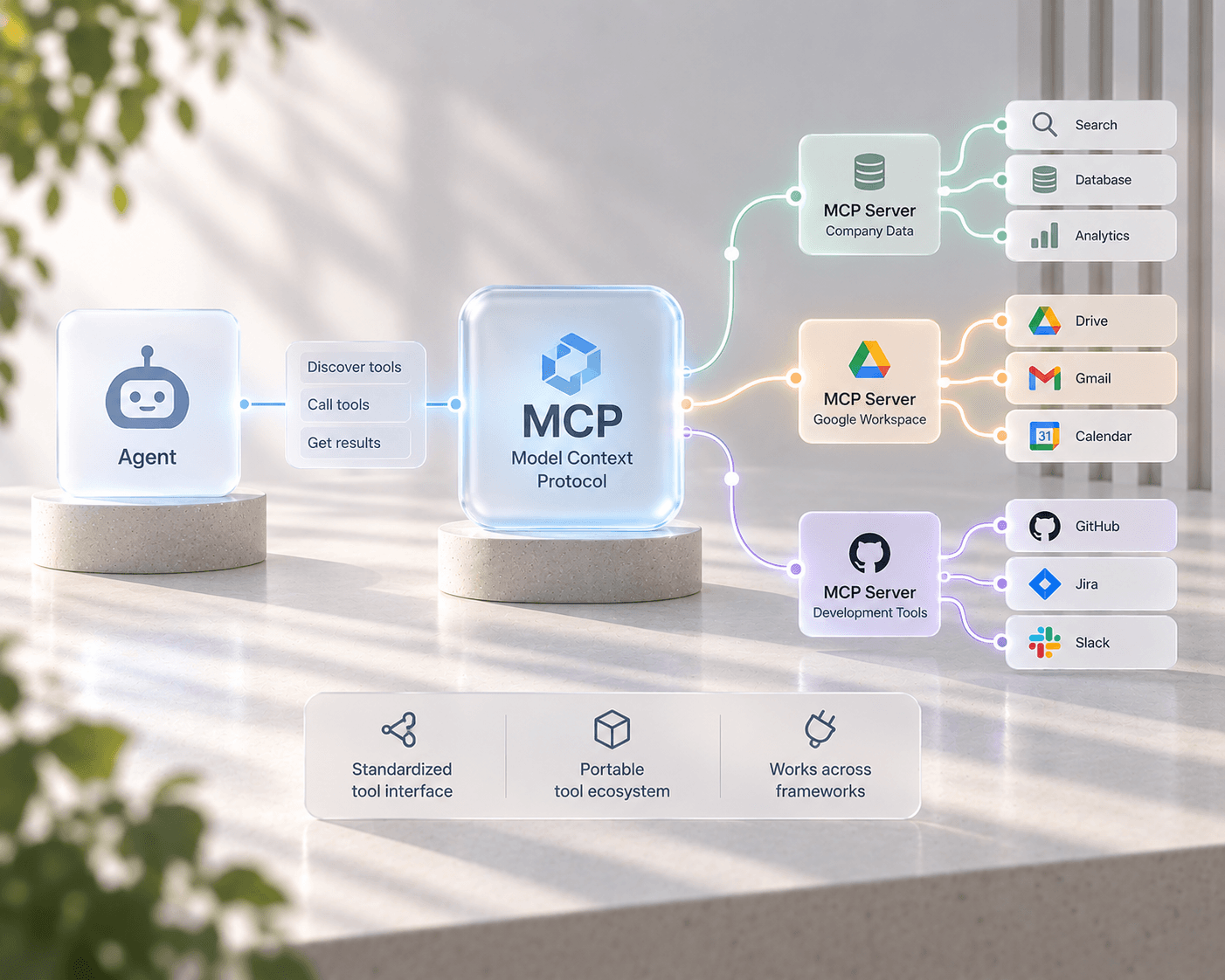
What is MCP, and why every agent framework is adopting it
The Model Context Protocol standardizes how agents discover and call tools. Here's why it matters and how UnderOcean uses it under the hood.


Why agent reasoning visibility matters
Black-box agents are hard to trust and harder to debug. Here's why UnderOcean streams every Thought, Action, and Observation in real time.
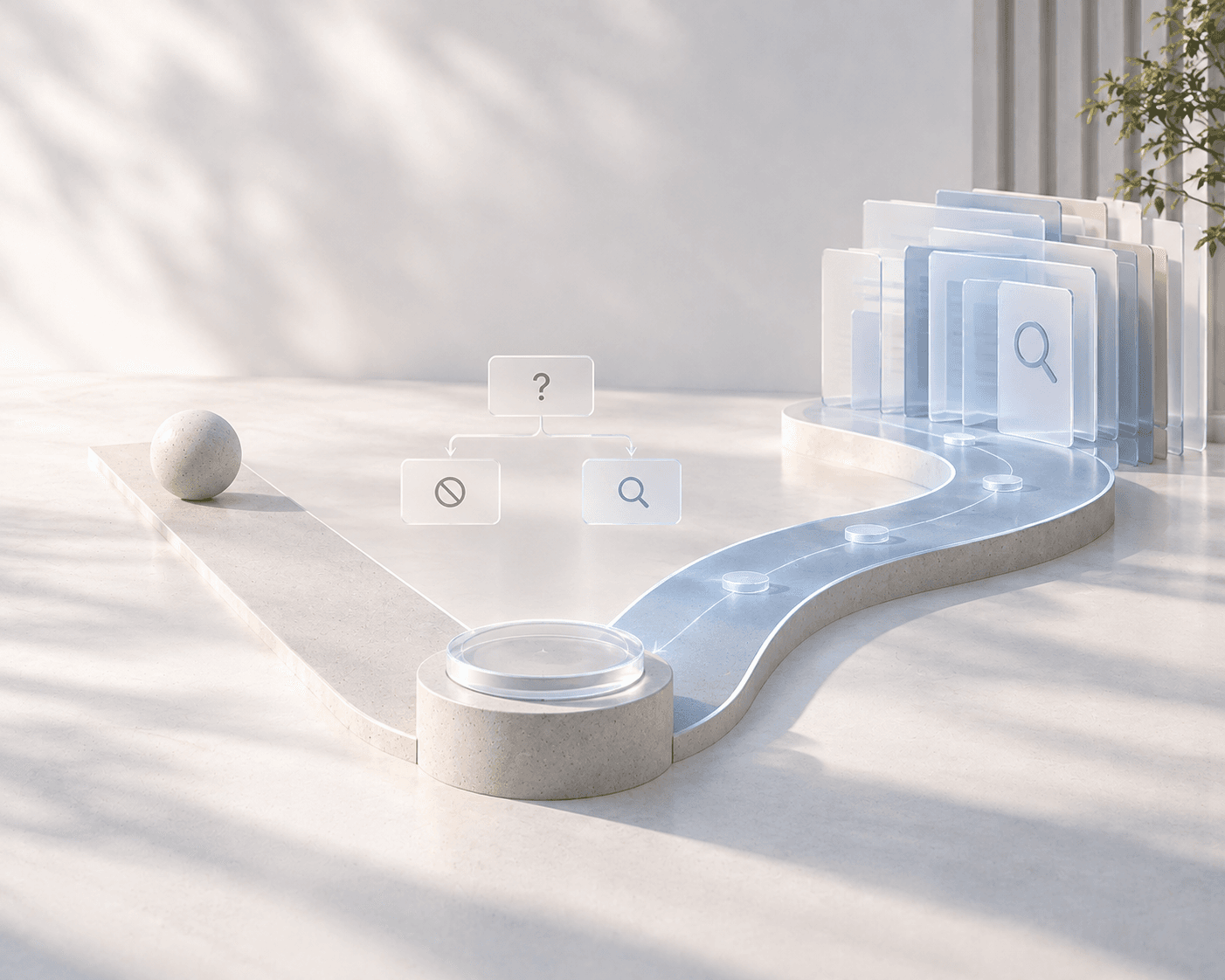
Agentic-RAG vs. naive RAG: why retrieval should be a decision, not a step
Most RAG pipelines retrieve on every query, whether it's needed or not. Agentic-RAG lets the agent decide when and what to search.
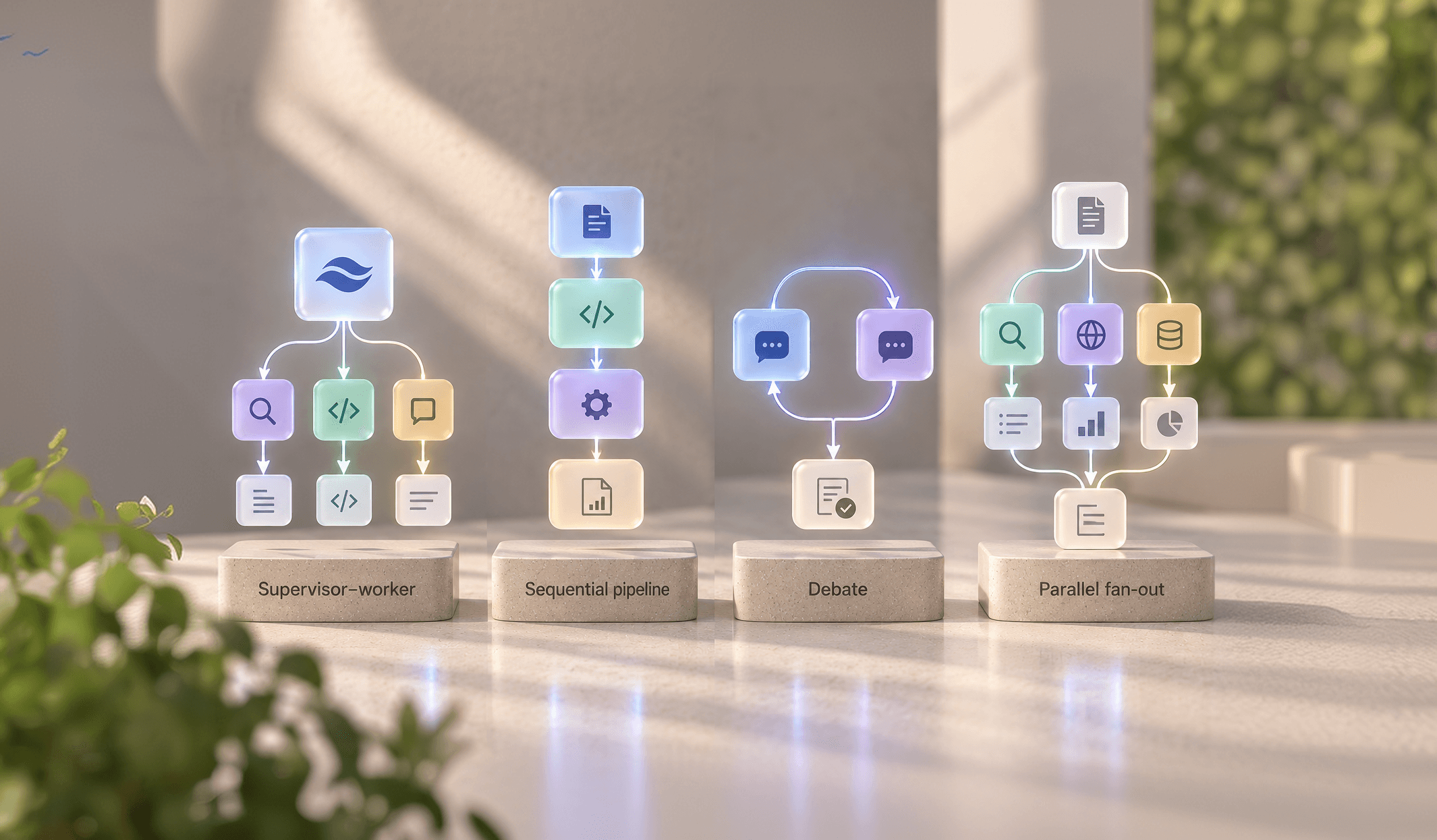
Four multi-agent orchestration patterns we see in production
Supervisor-worker, sequential pipelines, debate, and parallel fan-out — a field guide to the multi-agent patterns teams actually ship.
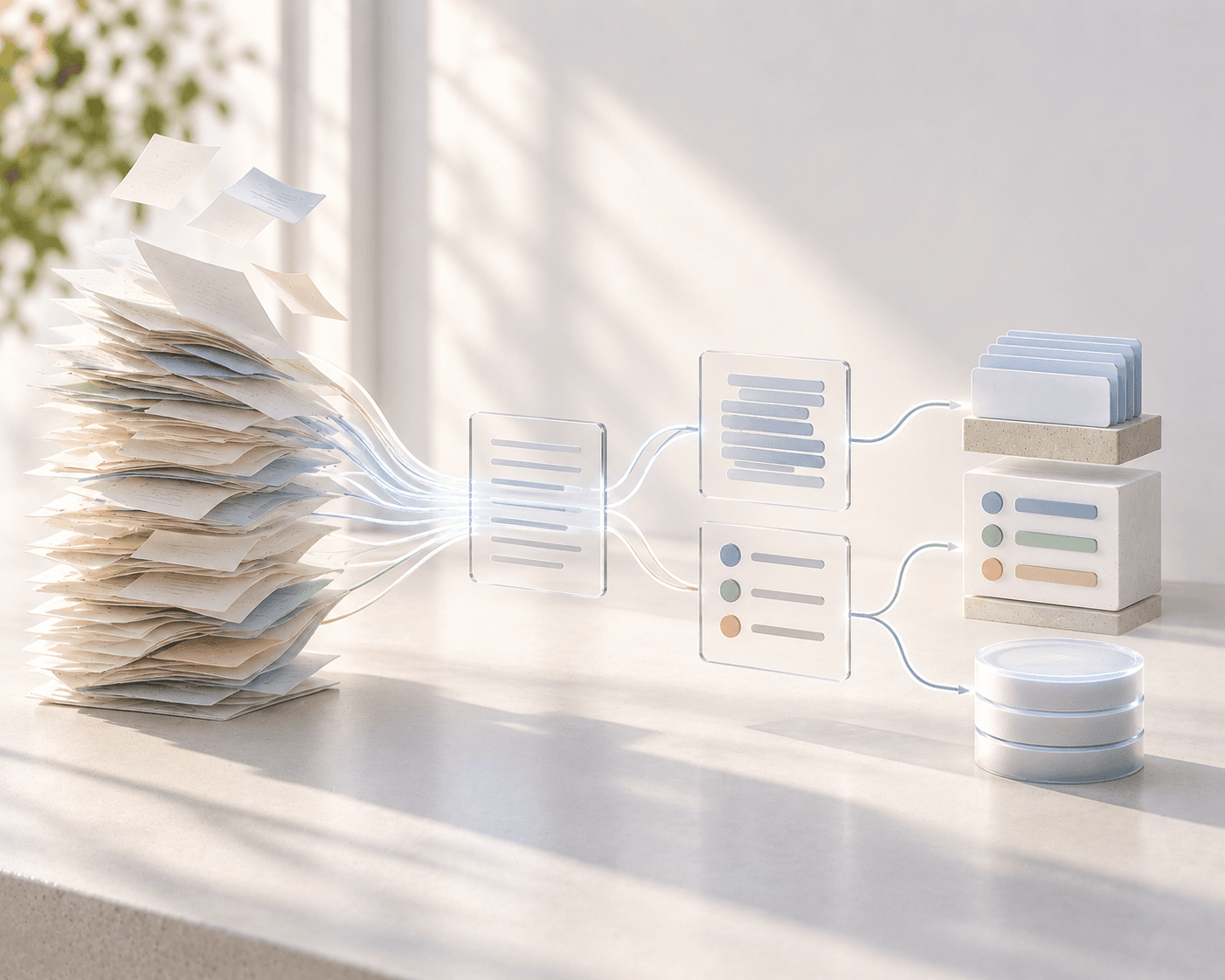
Managing context windows at scale without losing conversation history
Long-running agent conversations blow past context limits fast. Here's the layered summary + key-structure extraction approach UnderOcean uses.
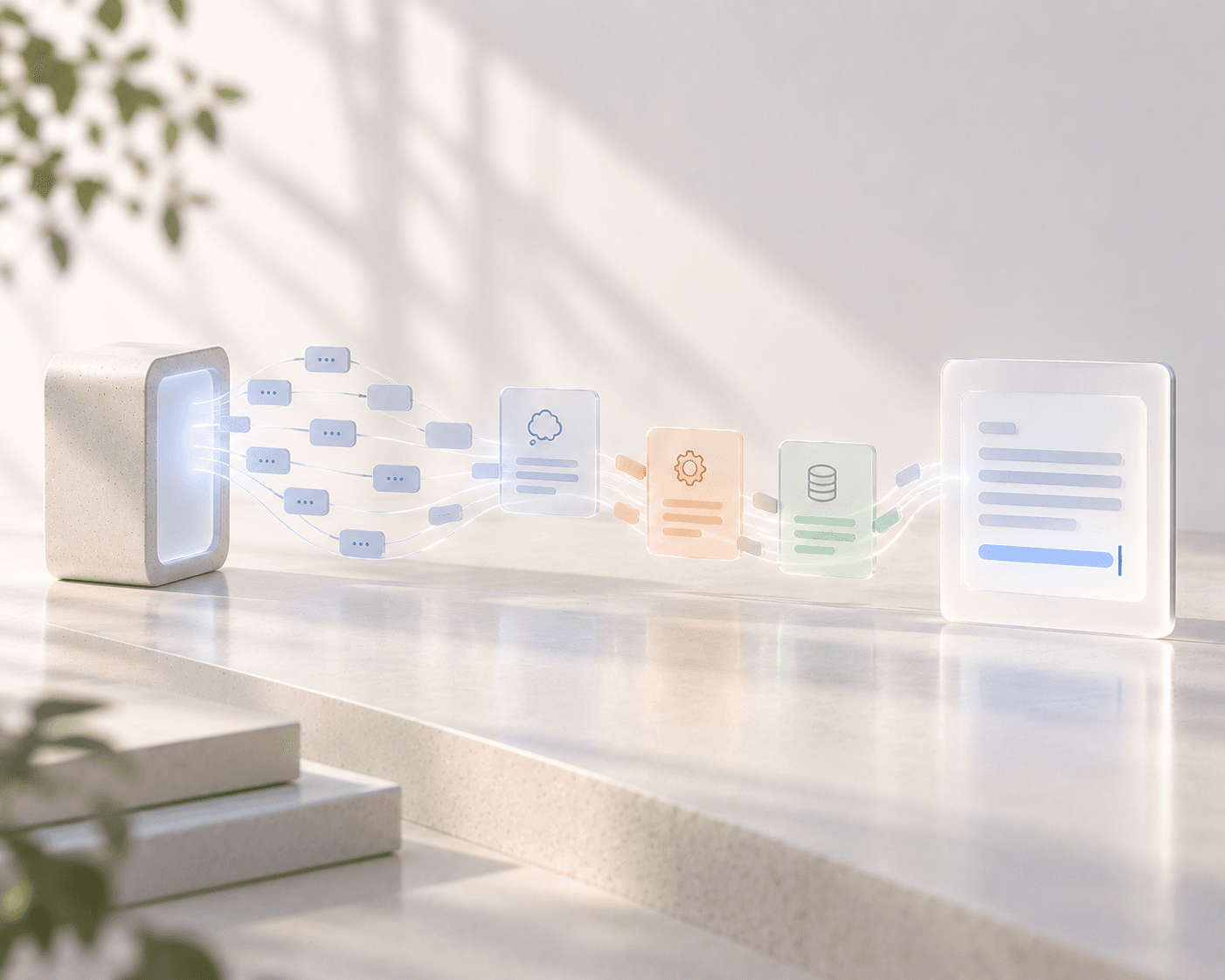
Why we stream token-by-token instead of waiting for the final answer
A 30-second wait for a wall of text feels broken. Server-Sent Events let users watch an agent think in real time.
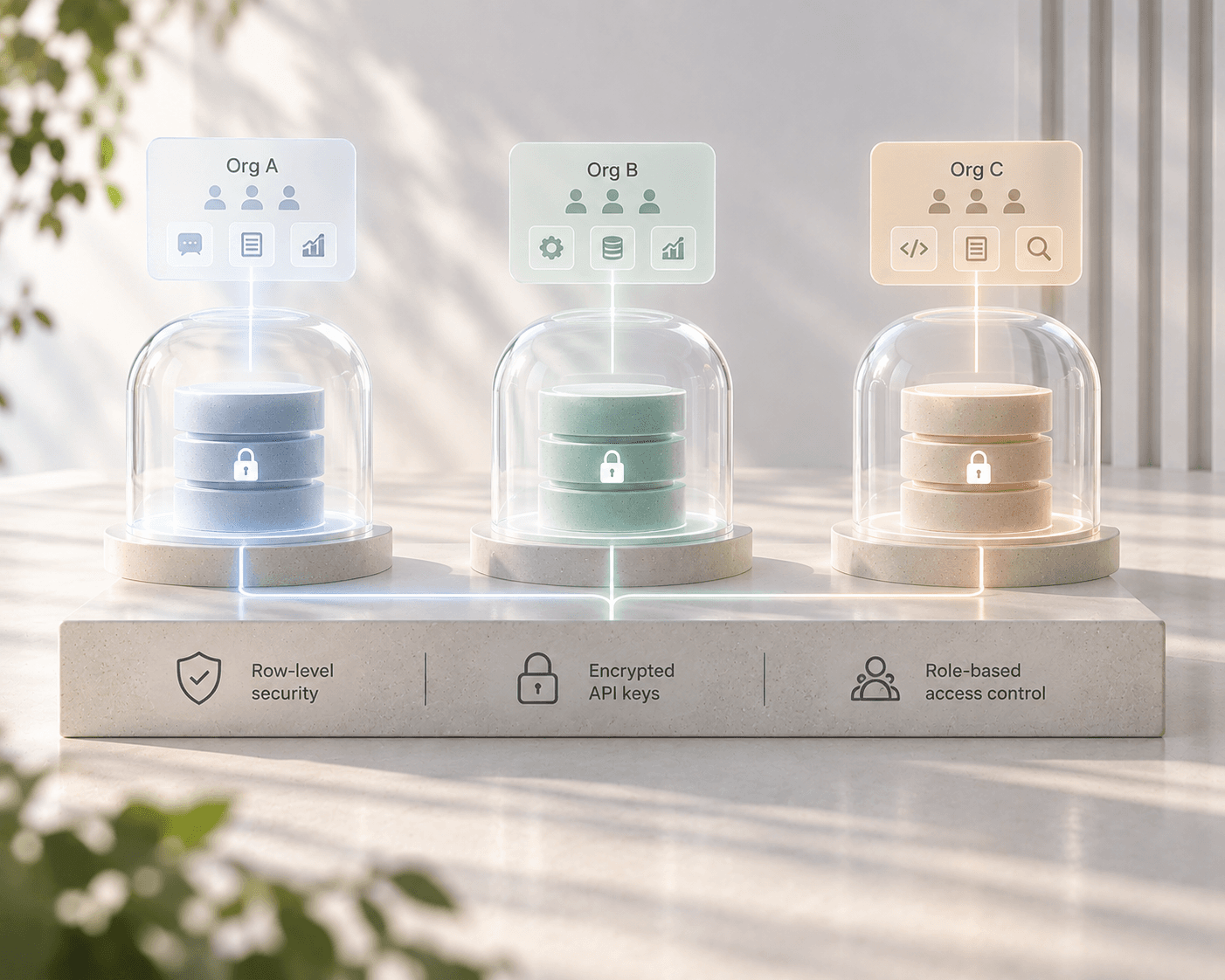
Multi-tenancy isn't optional once your agent platform has more than one customer
Row-level security, encrypted provider credentials, and org-scoped everything — the multi-tenancy checklist we built UnderOcean around.
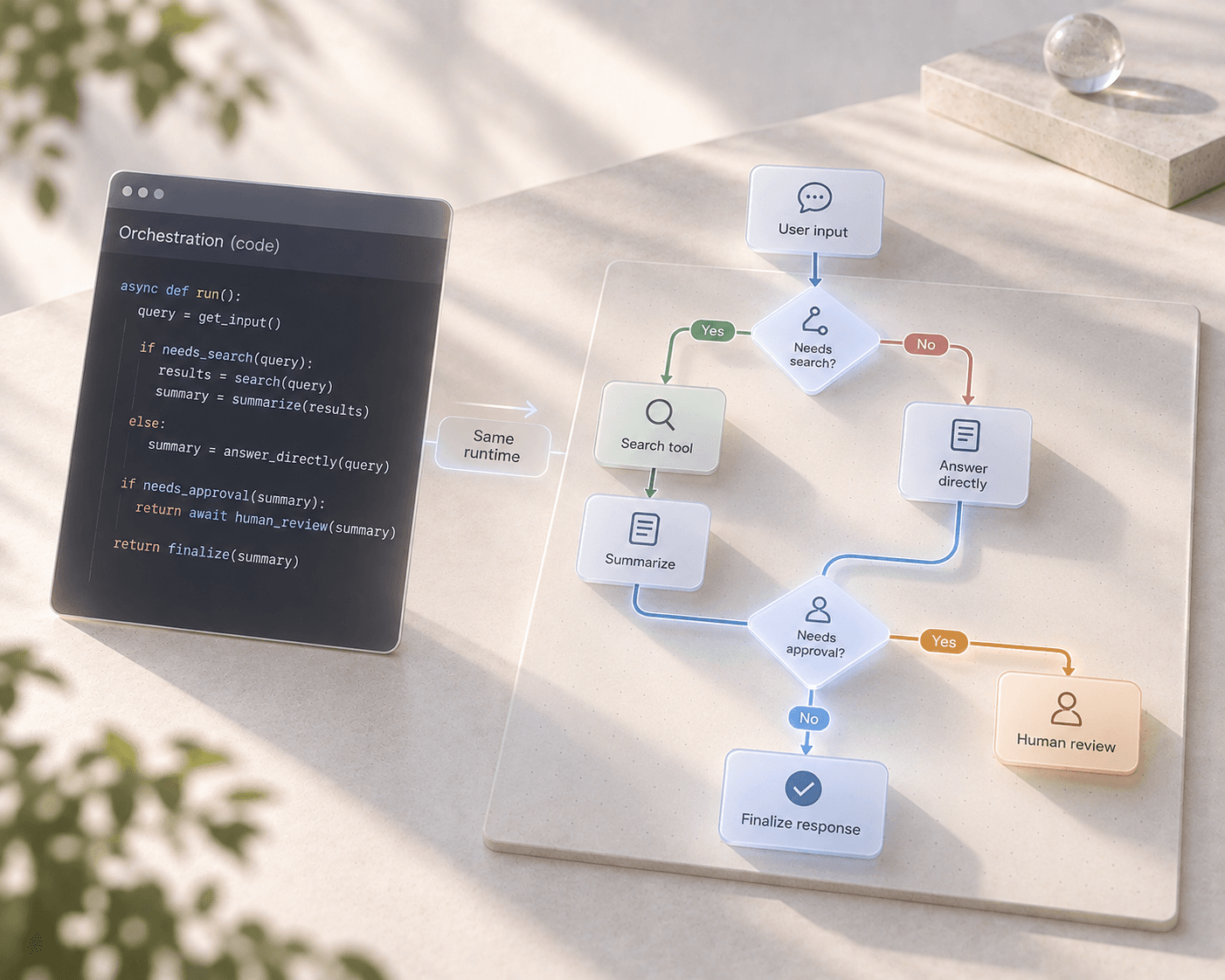
When a visual flow builder beats writing orchestration code by hand
Not every agent workflow needs a Python script. A flow building canvas can be the faster, more maintainable choice — here's when.